RTP Explained, Crash Game
Clear answers on rtp explained for crash game, checked against the live platform and updated when it changes.
What is RTP Explained?
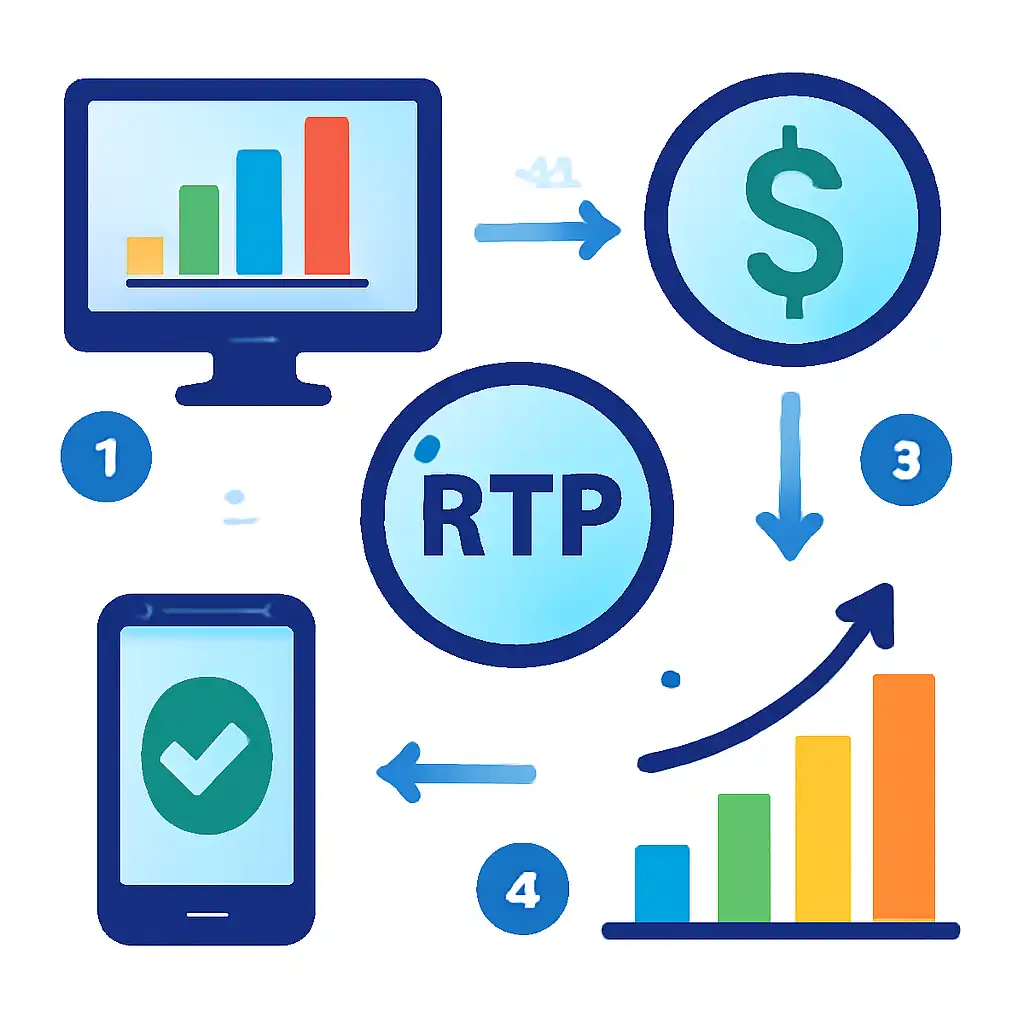
RTP stands for Return to Player. In a crash game, it is the percentage of all wagered money the game is mathematically designed to pay back over a large number of rounds. A crash game carrying 97% RTP returns ₹97 for every ₹100 staked collectively across the player pool, keeping ₹3 as the house edge. This figure is certified by independent testing labs before any licensed title goes live on a real-money platform.
RTP is a long-run theoretical measure, not a per-session guarantee. It plays out across tens of thousands of rounds, so a short losing streak does not mean the game is rigged, it means variance is operating normally. Knowing the stated RTP before you deposit lets you compare crash game platforms objectively and avoid operators who quietly push the house edge above 5%.

Typical RTP for reputable crash games sits between 96% and 99%. Anything below 95% signals an unfavourable game. Provably fair titles often publish 97% to 99% and let you verify each round's outcome independently using a cryptographic hash supplied before the round begins.
RTP Explained on Mobile
Playing a crash game on an Android or iOS device in India does not alter the underlying RTP. The certified RNG logic runs server-side whether you access the title through a desktop browser or a dedicated mobile app. Multiplier outcomes are determined before each round begins, so your connection speed affects only your ability to act, not the result itself.
To locate the RTP figure on mobile, tap the game's Info or Provably Fair menu inside the crash game interface. Licensed operators are required to disclose this number. If it is absent from the app, check the operator's rules page in your mobile browser, a missing RTP disclosure is a red flag before staking real rupees.
Enable the auto-cashout feature when playing on a small screen. Setting a fixed multiplier target removes the tap-timing errors that cause players to bust rounds they planned to exit early, ensuring the stated RTP governs your long-run results rather than touchscreen reaction-time accidents.
RTP Explained Safety and Timing
A published RTP only protects you if the crash game is genuinely provably fair. Confirm safety by checking that the platform uses a server seed and client seed system, this means the crash multiplier is generated before the round starts and cannot be altered once players have placed bets. You can audit any completed round by hashing the seeds yourself using freely available online tools.

Timing affects how quickly RTP converges toward its stated value. Budget your bankroll to survive at least 200 to 300 rounds so the mathematics has room to work. Sessions of 20 to 50 rounds will produce results that swing well above or below 97% simply due to normal variance, not game manipulation.