Payout Tables, Crash Game
payout tables explained for crash game: step-by-step, with the details most guides leave out.
What is Payout Tables?
A crash game payout table is a fixed reference that maps every multiplier to the exact rupee return on your stake. The formula never changes: Payout = Bet Amount × Cash-Out Multiplier. Unlike slots driven by symbol combinations, crash game math is transparent, the table tells you precisely what you collect before a round even starts.
| Multiplier | ₹100 Bet | ₹500 Bet | ₹1,000 Bet |
|---|---|---|---|
| 1.50× | ₹150 | ₹750 | ₹1,500 |
| 2.00× | ₹200 | ₹1,000 | ₹2,000 |
| 5.00× | ₹500 | ₹2,500 | ₹5,000 |
| 10.00× | ₹1,000 | ₹5,000 | ₹10,000 |
Most Indian crash game platforms carry a house edge of 1% to 4%, yielding an RTP of 96% to 99%. The table shows gross returns, subtract your original stake to find net profit. At 2.00× you double your money; at 1.50× you earn a 50% return, which suits conservative bankroll strategies common among players depositing via UPI in the ₹200 to ₹500 range.
Payout Tables Step by Step
Using the payout table as an active decision tool, not just a reference, separates disciplined players from impulsive ones. Before each round, identify your target multiplier, confirm the rupee return against your stake, then lock that value into the auto cash-out field in the bet panel. The platform exits automatically, removing emotional hesitation mid-flight.
- Open the paytable under "Game Info" before placing any bet, note the multiplier tier that fits your session bankroll.
- Set your stake so that even five consecutive losses leave your balance intact. On a ₹2,000 deposit, ₹200 stakes give ten rounds of runway.
- Enter your target multiplier as auto cash-out: for example 2.00× on a ₹200 bet locks in ₹400 gross, ₹200 net profit per win.
- Log results for at least 20 rounds and compare against the table to verify the platform's RTP behaves within its advertised range.
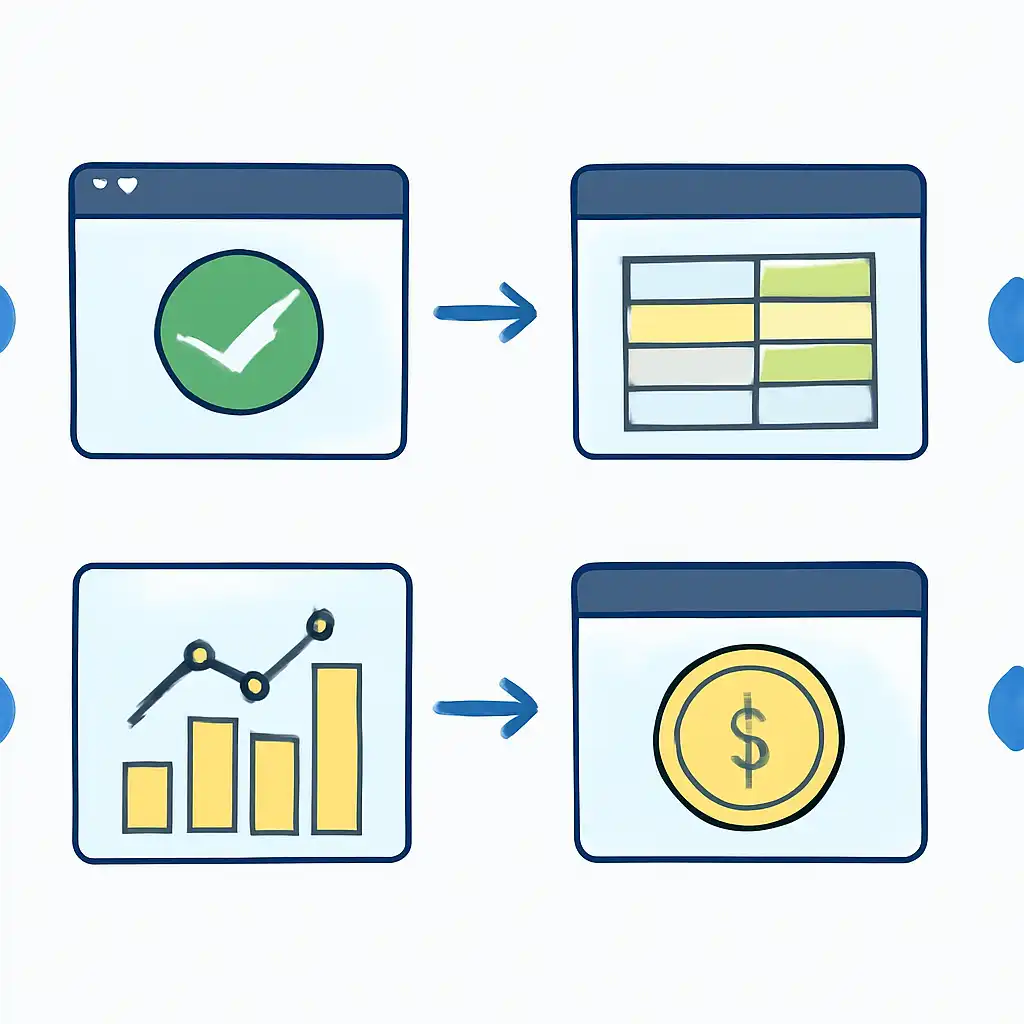
Provably fair platforms publish seed-based crash histories. Cross-referencing your logged results with the payout table confirms whether the house edge is consistent across sessions.
Payout Tables Safety and Timing
The payout table becomes a risk management tool when you tie each multiplier tier to a hard exit rule. Rounds reaching at least 1.50× occur roughly 60% to 65% of the time on platforms with a standard 3% house edge, making the sub-2.00× band the statistically safest zone in the table for deposit preservation.

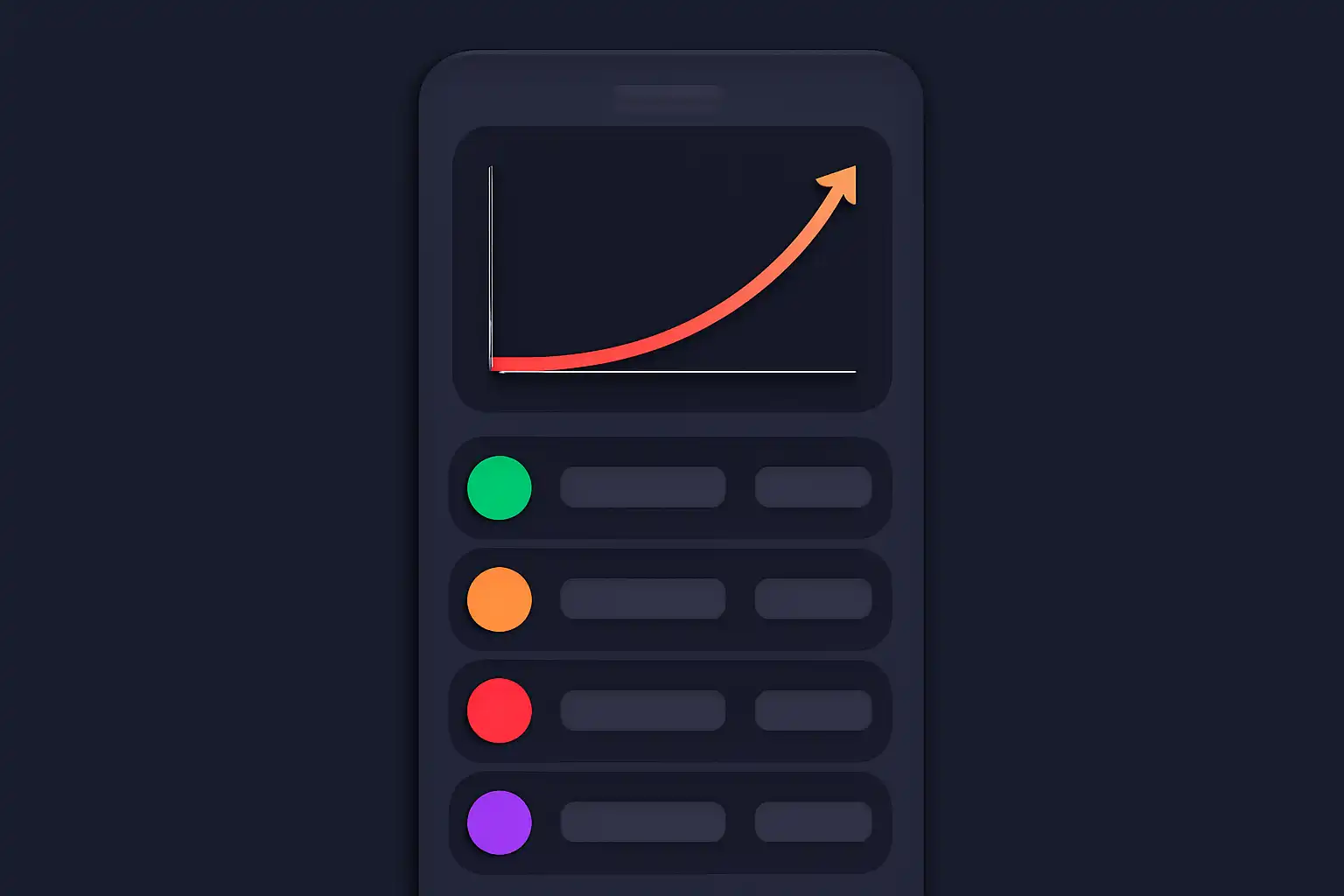
For manual cash-outs, watch the multiplier acceleration curve: growth appears slower between 1.00× and 2.00×, then climbs sharply. Most Indian players funding accounts via ₹500 to ₹1,000 UPI transfers prefer the 1.50×, 2.00× window, the return is meaningful without chasing the volatile 10×+ range where crash probability spikes significantly. Always back manual timing with an auto cash-out set to your table-verified target as a failsafe.